
Stadium PA Systems and Arena Sound Solutions
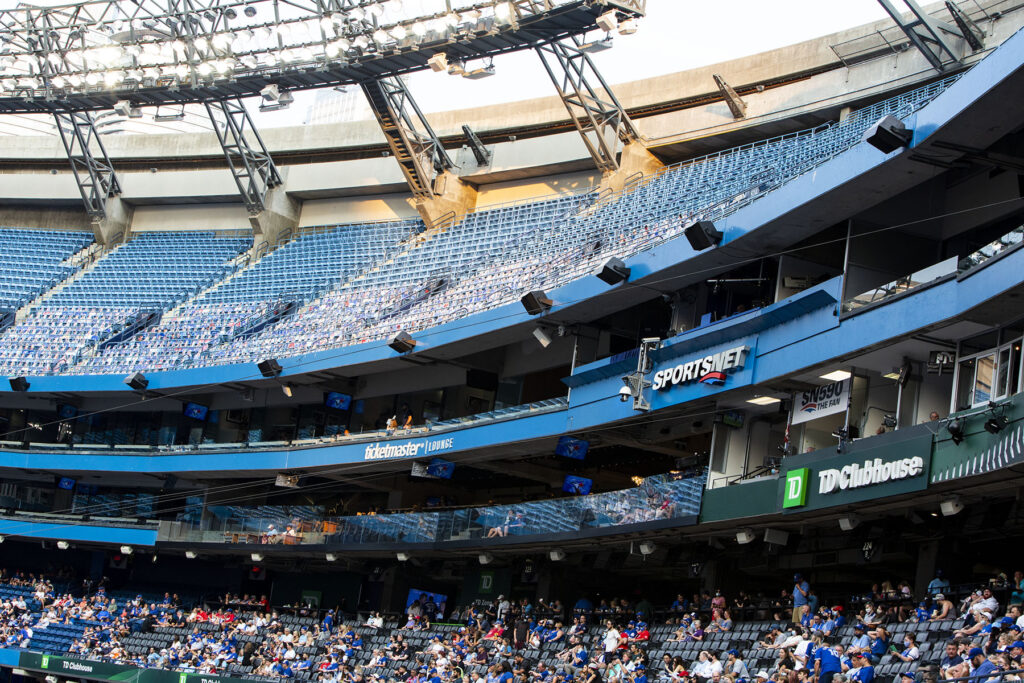
Why Stadium and Arena PA Requires Specialist Design
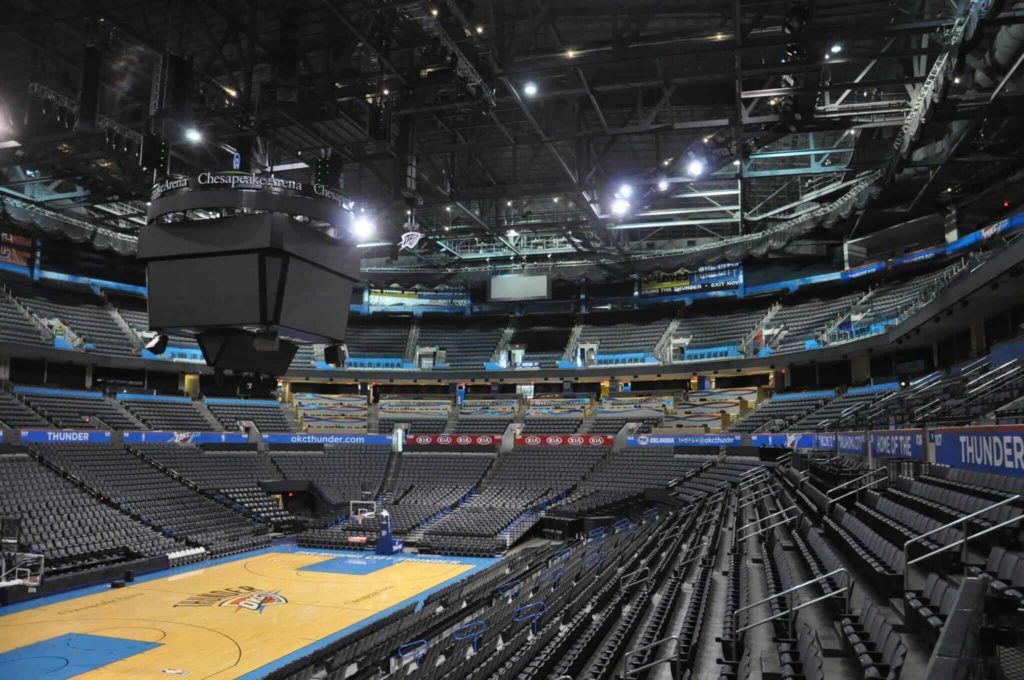
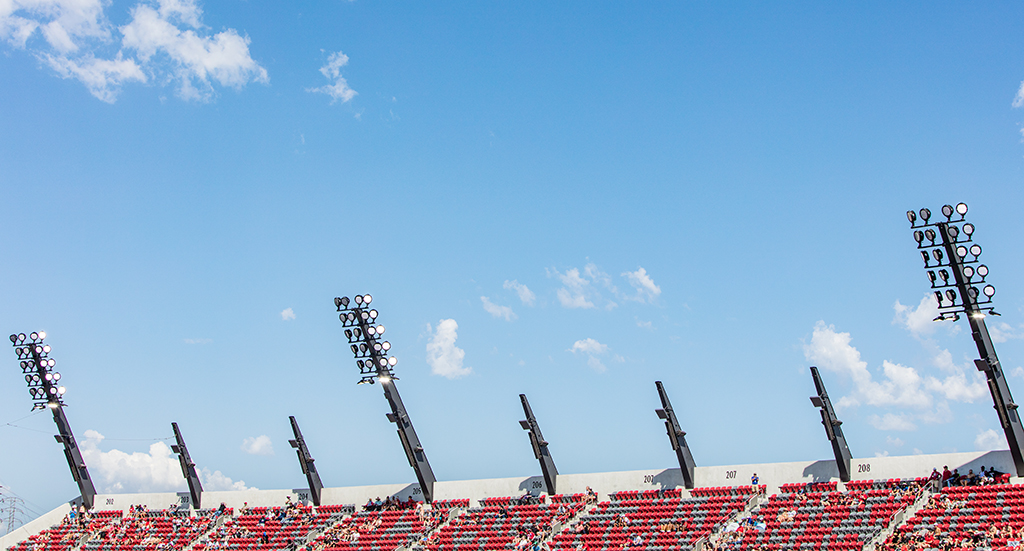
A stadium is not simply a larger indoor venue. Loudspeakers may need to cover steep tiers over long distances while avoiding the pitch, neighbouring stands or reflective roofs. Indoor arenas add hard surfaces, reverberation and changing layouts for sport, concerts and ceremonies.
Match announcements, music, presentations, concourse audio, hospitality sound and event-production feeds do not all require the same arrangement. A broader stadium audio visual system may connect with displays, broadcast, security or venue control, but those interfaces must be confirmed and planned by the relevant specialists.
Product selection should therefore follow coverage modelling, operational planning and infrastructure review. A line array may suit one arena, while controlled point-source clusters or distributed loudspeakers suit another.
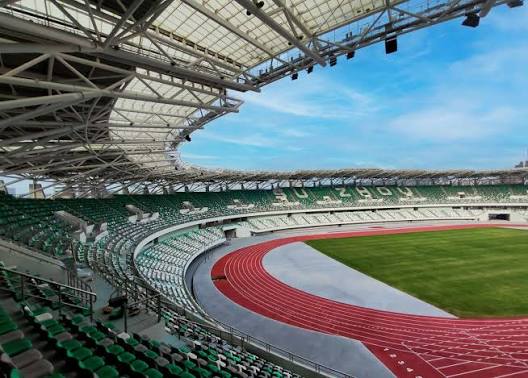
Common Stadium and Arena Sound Problems
Large-venue problems often begin with coverage, timing or infrastructure rather than a lack of amplifier power.
Common issues include:
Announcements that disappear beneath crowd noise.
Clear sound in one seating tier but weak or excessively loud sound in another.
Echoes caused by long propagation distances, reflections or poorly aligned delay zones.
Dead spots beneath roofs, stands, balconies or structural elements.
Indoor-arena reverberation that makes words difficult to understand.
Sound spill towards residential areas or unintended venue zones.
Equipment exposed beyond its environmental rating.
Concourse, entrance, hospitality and exterior zones receiving the wrong feed or no sound.
Temporary event systems that cannot connect cleanly to the installed infrastructure.
Faults that remain unnoticed until an event.
Ageing cabling, unidentified terminations or inaccessible equipment.
Controls or configurations that changing teams cannot operate consistently.
Insufficient power protection, rack cooling, redundancy or maintenance access.
Typical PA and AV Requirements for Stadiums and Arenas
- Main loudspeakers or clusters selected for the required throw, output and coverage pattern.
- Medium-throw, fill and delay loudspeakers for areas the main system cannot cover directly.
- Distributed loudspeakers for concourses, entrances, hospitality, media and back-of-house areas.
- Environmentally suitable products for exposed outdoor zones.
- Subwoofers where arena entertainment, concerts or ceremonies require controlled low-frequency extension.
- Announcer, presentation and event microphones from verified product ranges.
- Mixing, matrix processing, routing, priority, delay and zone control.
- High-output and distributed amplification matched to the loudspeaker loads.
- Audio networking and appropriate fallback paths where the project requires them.
- Interfaces for commentary, broadcast or temporary production where in scope.
- Racks, ventilation, power protection, labelling and documentation.
- Speaker, microphone, network and signal cabling selected for the run length and installation conditions.
- Measurement tools used by trained technicians to verify performance.
- Training, fault diagnosis, repairs and expansion planning.
Ordinary entertainment PA and paging equipment must not be represented as a certified voice-alarm or life-safety system. Any emergency-communication function needs to be designed and signed off against the venue’s applicable requirements by the responsible specialists.
Systems Designed Around the Venue
Outdoor stadiums
Indoor arenas
Municipal and community sports venues
Multi-purpose venues and event overlays
Stadium and Arena Audio Zones
Main bowl and seating tiers
Lower, middle and upper tiers may require different patterns. Under-roof and under-stand areas often need fills or delays aligned with the main system. Measurement reveals transitions that create echo or cancellation.
Entrances, turnstiles and concourses
Entrances, queues, circulation routes, concessions and exits may require distributed loudspeakers with independent control and appropriate message priority.
Hospitality, media and presentation spaces
Suites, lounges, press rooms and presentation spaces may need local source and volume control without exposing wider venue settings.
Pitch-side, arena floor and exterior spaces
Presentation areas, fan zones and approaches have different geometry and exposure. Temporary areas need documented connections and clear responsibility.
Control rooms and technical areas
Amplifier rooms and control positions require secure access, ventilation, power planning, backups and documentation. Monitoring should reveal faults before the public enters.
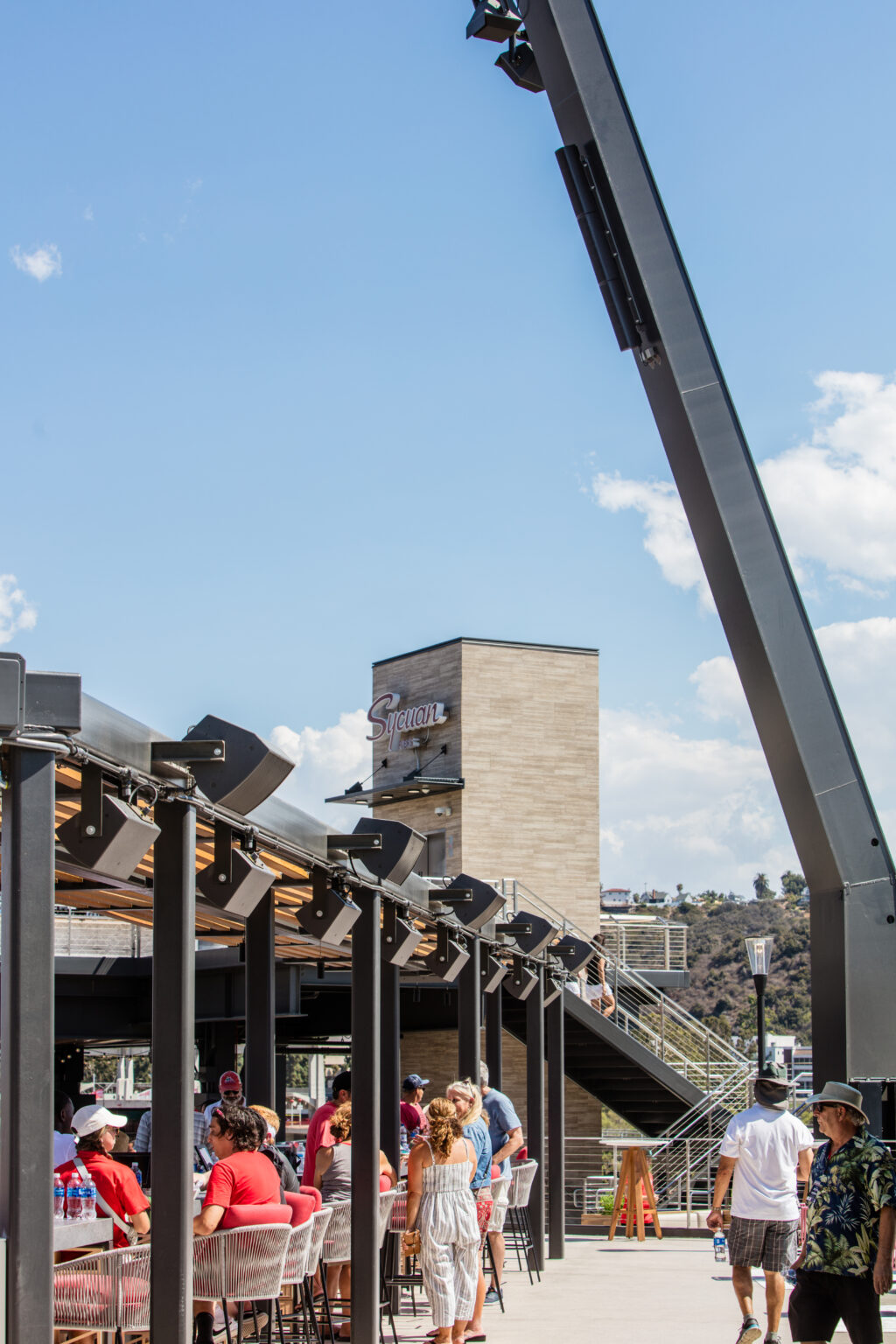
Not every venue requires every zone. The final architecture should follow the operational brief, applicable standards, site conditions and project budget.
Professional Products for Stadium PA Systems

EAW QX500 Series
The EAW QX500 Series offers high output, multiple coverage patterns and controlled directivity for permanent long-throw applications. Final selection requires modelling, load calculations, suitable amplification and the correct mounting and weather-protection configuration.
EAW QX300 Series
The EAW QX300 Series provides high-output, two-way loudspeakers with a choice of controlled coverage patterns for medium-throw stadium and arena applications. The range supports speech and music reinforcement across selected seating areas, with model selection and placement guided by coverage modelling and venue acoustics.

EAW KF210
The EAW KF210 is a compact passive two-way line-array module with 90-degree horizontal by 12-degree vertical nominal coverage.

EAW AC6 Adaptive Column Loudspeaker
Suited to spaces where precise vertical coverage and a discreet column format are valuable. Adaptive technology can cover audience seating while reducing energy directed towards reflective surfaces. Suitability still depends on modelling, room geometry and output requirements.

EAW UXA4416 DSP amplifier
WFS 6 CX
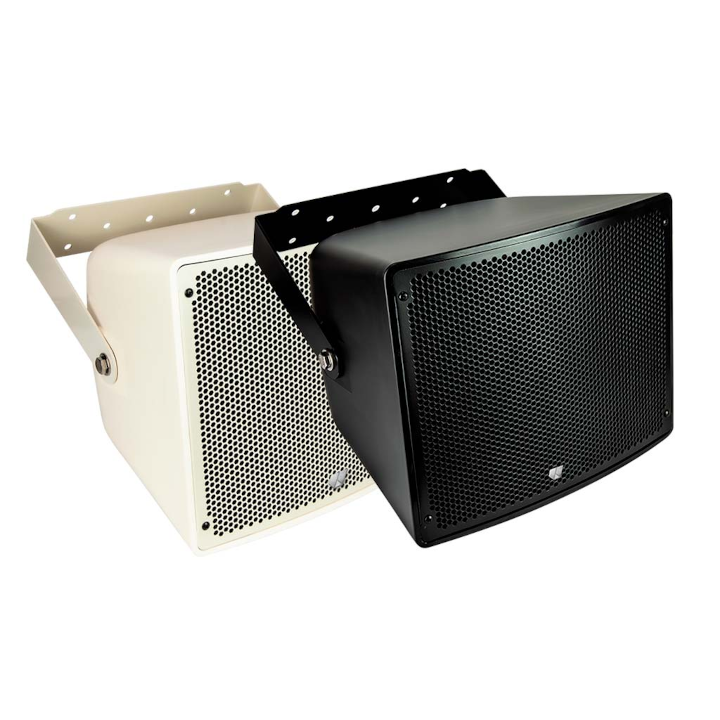
The Work Pro WFS 6 CX is an IP66-rated outdoor audio projector supporting 8-ohm and 70/100V installations. It can provide announcements and programme audio for stadium entrances, exterior concourses and recreation areas, with positioning and coverage planned around each zone’s requirements.

EAW UXA4807
The EAW UXA4807 is an eight-channel installation amplifier with onboard digital signal processing and preloaded EAW Greybox loudspeaker settings. It provides amplification, routing and speaker processing for stadium and arena audio zones, with each output configured to suit the connected loudspeakers and required coverage.

RAM Audio DENEB Series
The RAM Audio DENEB Series provides four-channel installation amplification with 96kHz FIR DSP and support for low- and high-impedance loudspeaker systems. DENEB 2.5Q, 5Q and 10Q models may suit concourses, hospitality and other distributed zones when their output, network options and channel capacity match the design; the main bowl may require a different architecture.
RAM Audio DENEB 2.5Q DSP Amplifier
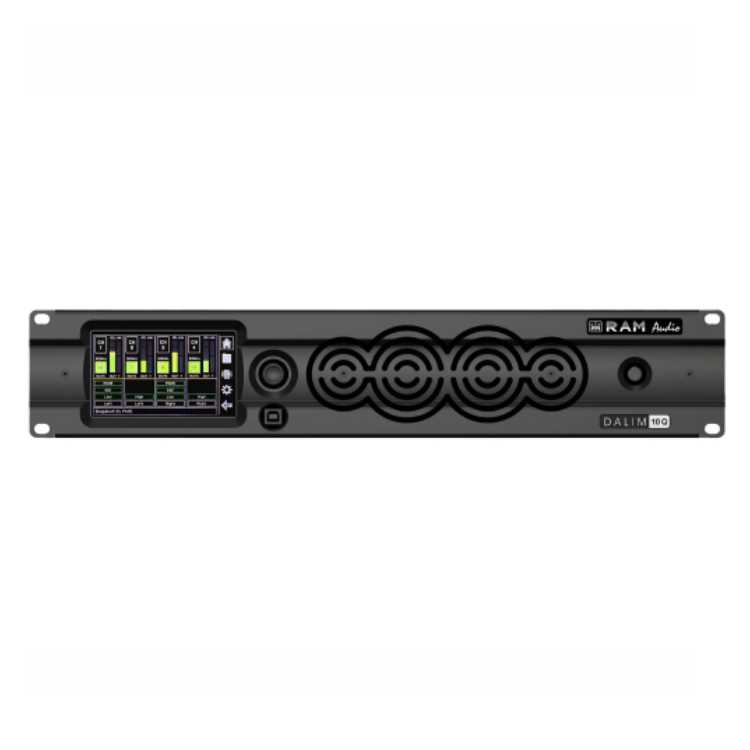
The RAM Audio DENEB 2.5Q is a four-channel installation amplifier with onboard 96kHz FIR processing and support for low- and high-impedance loudspeakers. It can power distributed zones within stadium PA systems, including concourses, hospitality suites and back-of-house areas, with output capacity matched to the connected loudspeaker loads.

iSEMcon EMX-7150
The iSEMcon EMX-7150 is an omnidirectional measurement microphone used with acoustic analysis software such as Smaart. It helps technicians assess stadium and arena sound systems during commissioning and troubleshooting, providing measurement data for adjusting loudspeaker timing, frequency response and coverage.
Van Damme cable ranges
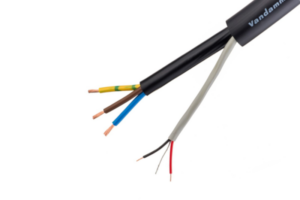
Van Damme cable ranges support speaker, microphone and network infrastructure when matched to the run and specification.

Smaart Suite
Smaart Suite is professional measurement software used to assess frequency response, timing and sound levels. During stadium PA system commissioning, it helps trained technicians align main loudspeakers, fills and delay zones, supporting consistent sound across seating tiers, concourses and arena spaces.
Stadium PA Support Across South Africa and Africa
Planning a Stadium or Arena Sound System Installation
- Define the venue brief:Identify sports, events, capacity, zones, sources, users, existing systems and required operating modes.
- Review the site and documentation: Assess seating geometry, drawings, structure, cable routes, environmental exposure, power, network infrastructure and maintenance access.
- Set performance requirements: Establish the required coverage, intelligibility, level, music quality and system behaviour for each area.
- Model and specify the system: Compare loudspeaker locations, coverage patterns, amplification, processing, networking and infrastructure.
- Coordinate the project: Align the audio design with the appointed consultant, integrator, structural engineer, electrical team, IT team and relevant safety specialists.
- Plan procurement and phasing: Confirm product lead times, retained equipment, fixture calendars, shutdown windows and staged upgrades.
- Install and commission: The appointed installer or integrator completes the physical installation. Measurement, DSP configuration, testing and commissioning responsibilities should be agreed in the project scope.
- Training and handover: Teach authorised users safe operation and basic fault checks. Provide approved presets, labels, operating instructions, configuration backups and product training.
Stadium Sound Systems
Explore professional products selected for stadiums and arenas.
Repairs and Support After Installation
A stadium or arena system must remain supportable long after commissioning. Surgesound’s service and repair centre supports represented brands with fault diagnosis, repairs, genuine components, warranty processing, firmware updates and post-repair calibration where applicable.
Training for Stadium, Arena and Event Teams
- Correct startup and shutdown.
- Source, zone and level selection.
- Approved match, presentation and event presets.
- Announcer and microphone operation.
- Fault indicators and escalation procedures.
- Safe connection of authorised event sources.
- Simple troubleshooting without changing protected engineering settings.
- Configuration backup and change-control procedures.
- Product maintenance and correct equipment handling.
Surgesound provides training on the products it represents. Project-specific operator training should be agreed with the responsible integrator and documented as part of handover.
Discuss Your Stadium or Arena Audio Project
Whether you are planning a new venue, replacing an ageing system or upgrading one section at a time, begin with the venue information rather than a generic speaker list.
Send Surgesound your seating plan, drawings, current equipment list, problem areas and operational requirements. The team can help your consultant or integrator identify suitable products, supporting infrastructure and a practical supply and support route.
Frequently Asked Questions About Stadium PA Systems
What is the best PA system for a stadium?
The best stadium PA system is the one designed for the venue’s seating geometry, crowd noise, coverage areas, environmental exposure and operating requirements. Large venues may use controlled point-source clusters, line arrays, distributed loudspeakers or a combination. Coverage modelling and a defined performance specification should guide the choice.
How much does a stadium PA system cost?
Stadium PA system cost depends on venue capacity, throw distances, number of zones, mounting requirements, existing infrastructure, environmental protection, amplification, networking, redundancy and commissioning. Drawings and an operational brief are needed before a credible budget can be prepared. Phased upgrades may be possible where the existing infrastructure is suitable.
How many speakers does a stadium need?
There is no reliable speaker count based only on stadium capacity. The number depends on each loudspeaker’s output and coverage, the seating tiers, roof geometry, mounting positions, target performance and whether concourses and exterior areas are included. Fewer correctly aimed loudspeakers may perform better than many poorly coordinated units.
Does every stadium need a line-array speaker system?
No. The appropriate loudspeaker arrangement depends on seating geometry, mounting positions, throw distances and coverage requirements. Some stadiums suit controlled point-source clusters, while others benefit from line arrays or a combination of systems. Coverage modelling should guide the selection.
How do stadium systems maintain clear speech above crowd noise?
Clear speech requires controlled coverage, sufficient headroom, low system noise, correct timing and a direct sound level that remains useful against the crowd. Simply increasing volume can worsen reflections and spill. The design should set measurable intelligibility and coverage requirements for each zone.
What is different about an indoor arena sound system?
Indoor arenas usually have stronger reflections and longer reverberation than open stadiums. The system must control where sound is directed and may need different configurations for sport, concerts, ceremonies or floor seating. Subwoofers and concert-quality reinforcement are project-dependent rather than standard requirements.
Can an existing stadium sound system be upgraded in stages?
Yes, many systems can be upgraded in stages after the existing loudspeakers, amplifiers, processing, cabling, power and network infrastructure have been assessed. A staged plan should prevent new equipment from becoming incompatible with later phases and prioritise the areas creating the greatest operational risk or coverage problem.
Can the permanent PA work with a touring concert system?
Yes, when the system includes documented and approved connection points, routing and operating responsibilities. The touring system may handle the main concert audience while the installed system continues to serve concourses or other zones. The interface must not compromise venue paging, protected settings or safety functions.
What is the difference between stadium PA and a voice-alarm system?
A stadium PA provides announcements, music and event audio; a voice-alarm or emergency-notification system must meet the applicable life-safety design, supervision, power and compliance requirements. Some projects integrate or interface these functions, but an ordinary PA product must not be described as a compliant life-safety system without the required evidence and specialist sign-off.
Does Surgesound install and support stadium PA systems?
Surgesound supplies professional equipment and provides product matching, technical guidance, training, warranty handling and repairs. Physical installation is handled by the project’s appointed installer or integrator. Any additional design, commissioning or project support should be agreed for the specific stadium or arena enquiry.